A major breakthrough for foldable screens and flexible electronics. Our R&D team has succeeded in improving the percolation of nanowire networks, achieving an unprecedented +20% conductivity gain on our reference silver nanoink formulation.
This advance results from three years of work on the controlled morphology of silver nanowires, combined with a proprietary anti-oxidation surface chemistry. The new formulation maintains its conductivity below 0.5 mm bending radius — a key milestone for next-gen foldable displays.
Industrial roll-out is planned for Q1 2026 with our pilot customers in the display and IoT sectors.
Electronics is one of the industrial sectors with the greatest impact on the environment in terms of CO2 emissions and waste. Since 2020, the government « France Relance » plan has been providing unprecedented and necessary financial support to SMEs committed to ecological transition and the drastic slowdown of current climate change.
Thanks to this plan, entrepreneurs and SMEs are immediately entering the “green economy” market (repackaging, eco-design and / or renewable energy) and large companies are reinventing themselves by changing their traditional models.
GenesInk is one of these dynamic SMEs committed to environmental and eco-design themes. Since mid-September 2021, this commitment has been rewarded following the response to the “Perfecto” call for projects aimed at implementing an eco-design approach based on Life Cycle analysis (LCA) one of the R&D processes aimed at marketing a product, process or service with high environmental performance.
GenesInk will take up this ambitious challenge by being one of the 15 winning companies among 42 projects submitted. Thus, this financial support will allow us to benefit from personalized support provided by ADEME(Environment and Energy Management Agency) in the establishment of a new process for synthesizing eco-designed zinc oxide (ZnO) nanoparticles (Illustration 1).
Illustration 1 – Eco-design process for synthesizing zinc oxide nanoparticles (ZnO) as part of the « EcoZinc » project
Preliminary studies based on the LCA of this new process were carried out in close collaboration with Ms. Chrystel Simone, LCA expert, and have enabled us to demonstrate a strong potential for reducing environmental impacts on all significant indicators, including a reduction more than 30% on 6 of the 9 indicators studied (Illustration 2) (climate change, human toxicity, particulate matter, acidification, freshwater eutrophication and ecotoxicity, resources depletion).
Illustration 2 – Comparative study of the environmental effects of the synthesis of nanoparticles (NPs) with and without methanol (MeOH) recycling
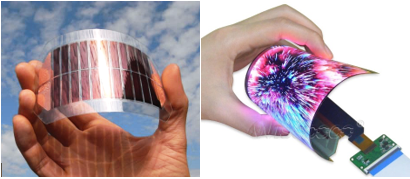
These eco-designed semiconductor inks are used by additive manufacturing methods for eco-technology applications such as OPV (Organic PhotoVoltaic) using solar energy for electricity production or OLED screens (Organic Light-Emitting Diodes) (Illustration 3).
Illustration 3 – OPV technology (left) and OLED technology (right)
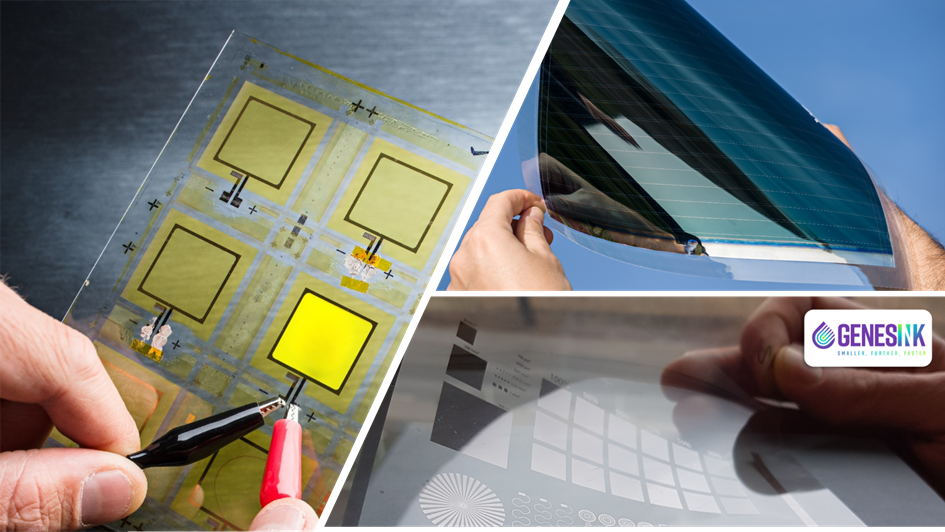
GenesInk develops conductive and semi-conductive inks to enable new functionalities such as transparency, flexibility, and stretchability for the consumer electronics market. What makes GenesInk unique is its capability to solve technological issues such as reduce form factor, increase the tracks finesse and electrical performance resulting in highly functional, lightweight, and aesthetic electronic devices.
GenesInk is looking to integrate new European consortia to implement its nanoinks into energy generation and storage applications. we propose to offer our know-how and expertise in the conception of main nanomaterials for the different layers in PV (HTL, ETL, transparent electrode and top electrode). GenesInk is also aiming to develop new Ag nanoinks compatible with silicon-based photovoltaics.
GenesInk develops conductive and semi-conductive inks to enable new functionalities such as transparency, flexibility, and stretchability for the consumer electronics market. What makes GenesInk unique is its capability to solve technological issues such as reduce form factor, increase the tracks finesse and electrical performance resulting in highly functional, lightweight, and aesthetic electronic devices.
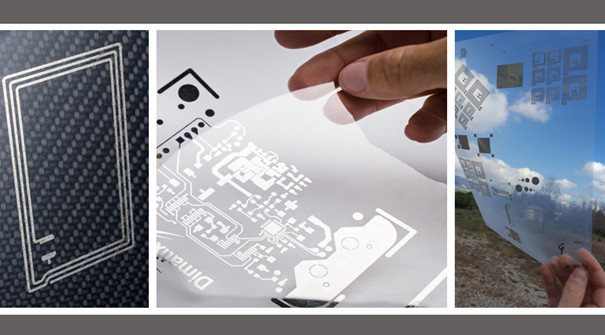
GenesInk is looking to integrate new European consortia to implement its nanoinks into 5G and integrated antennas in connected objects.
The research is part of the European MADRAS project which will enable mass production of this type of electronics, known as OLAE, for accelerated time-to-market.
Seen as a viable alternative to conventional electronics, OLAE devices include organic electronics printed on flexible surfaces such as plastic or paper.
Their applications range from producing smart packaging, roll-up displays and flexible solar cells to single-use diagnostic devices and printed batteries along with other innovations.
France, October 8th 2020.- The European MADRAS project aims to develop new materials and manufacturing processes for scalable mass production of organic electronics devices, also known as OLAE devices, integrated into plastic parts for accelerated time-to-market.
Progress in printed electronics and materials has paved the way for products with new features, lighter, thinner and more flexible. This has driven the development of the technology and the spread of applications for a range of sectors.
Organic devices are seen as a viable alternative to conventional inorganic conductors, such as copper and silicon. Their operation integrates organic electronics printed on flexible surfaces such as plastics or paper for numerous applications, including producing smart packaging, roll-up displays, flexible solar cells, single-use diagnostic devices and printed batteries along with other innovations.
In the words of Rosa Araujo, a project manager at Eurecat and MADRAS coordinator, MADRAS aims to “demonstrate an improvement in OLAE devices by establishing a robust alternative manufacturing methodology and an innovative approach in a scalable competitive process.”
The project “proposes two products for the people authentication market and smart manufacturing, which will showcase a shift towards digitisation and the Internet of Things so as to contribute to the sustainable deployment of smart products for consumer use,” she notes. These products “belong to the global emerging trend of structural electronics with very large addressable markets such as the automotive industry, healthcare and many others.”
In the MADRAS project “we will work on developing transparent conductive materials which will allow for building stable printed devices with longer lifetimes,” points out Eugenia Martínez-Ferrero, the project’s technical coordinator and head of the Photonics line in Eurecat’s Functional Printing and Integrated Systems Unit. “These new features will make it possible to make more exciting and lower-cost integrated products.”
The MADRAS project will use In-Mould Electronics, also known as plastronics, to enhance the device integration process, increasing resistance to humidity and wear and tear and adding custom-made connectors, and additionally as a manufacturing process for the advanced materials with better conductive and resistant properties proposed in the project. This technology combines functional printing of electronics and hybridisation of electronic components with traditional plastic transformation processes, such as thermoforming and injection, to create plastic parts with electronic functions.
The innovative technology developed as part of the project will be implemented in two printed electronics demonstrators integrated into plastic parts. Specifically, it will be demonstrated with a flexible geolocation label for the packaging sector and a biometric photosensor which will be employed to identify users of an electric mobility service.
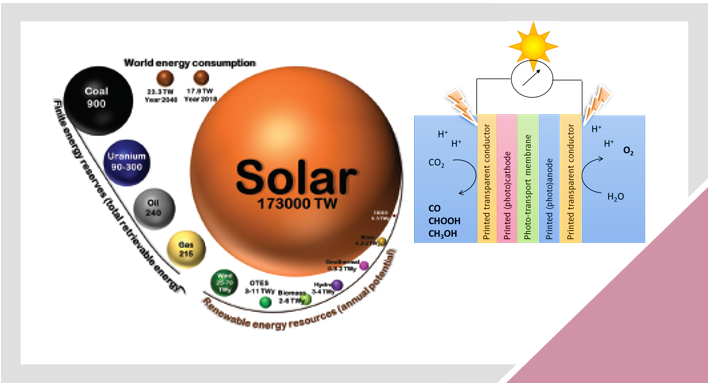
With the increasing European demand for renewable and greener energies, GenesInk develops conductive and semi-conductive nanoinks sustainably for you to create devices of tomorrow and meet the energies market demand (solar power and CO2 conversion, energy and batteries).
Our portfolio encompasses nanomaterials for electron and hole transport layers (ZnO, WOx, NiOx), transparent conductive electrodes (based on Ag nanowires) as well as catalysers for anodes and cathodes in energy conversion devices (Ag, Cu, ZnO, MgO). GenesInk provides know-how and expertise from synthesis, formulation, and industrialization processes on several printing methods and onto flexible and/or transparent substrates.
The SBR project brings together experts from medicine, biochemical, pharmaceutical, and material sciences, engineering and industry for solving an unmet challenge in the management of bone loss and bone repair. We will focus on next stage of technology development for bone defect restoration and non-union treatment using smart regeneration implants integrated with ex-theatre and in-theatre manufacturing technologies. The bone defect model has been chosen as it represents a challenging clinical condition, associated with lengthy treatment, increased health care cost and re-interventions.
The objective of SBR project is to design and to develop a novel implant which can be applied around the bone gap to serve as a containment system for bone graft materials and as a host matrix for viral carriers and /or stem cells to guide and accelerate bone regeneration. The implant will be composed of a semi-rigid flexible structure and a special biodegradable fabric produced by electrospinning which will serve as the host matrix for viral carriers, inductive molecules and/or stem cells. Additionally, smart sensors will allow for monitoring implant acceptance and bone healing.
GenesInk is participating in this European collaborative H2020 project as:
Partners in the definition of the specifications of the highly conductive
Leader in the development of Pt-based nanoparticles for biocompatible sensors / antennas and the development and optimization of highly conductive inks adapted for inkjet printing and/or screen printing
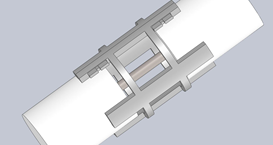
Figure: SBR foreseen implant structure
List of partners: University of Patras; Rescoll; Leitat; CSEM; OZB; Univeristy of Leeds; TUM-MED; Eurice; Asphalion.
Paper-based printed electronics are new recyclable electronic devices with technical, economic and environmental advantages. Additionally, nanocellulose (NC) based printed electronics, produced mainly from wood pulp, offer better printability and performance than paper. Therefore, the integration of NC-based printed electronics and biosensors is a promising source of innovation in the biomedical industry. In GREENSENSE we propose the development of a sustainable NC-based biosensing platform for Drug-of-Abuse (DoA) analysis, that integrates high-added value printed electronic components (a new biosensor, an NFC communication system, an energy storage system and a display) with a silicon microchip to provide it with multi sensor data processing, autonomy and wireless communication and that is easy for the user to read.
The main goal of the project will be the use of NC as: substrate for the printed electronics, lamination film for the encapsulation of the final device and as active component in the formulation of functional inks (conductive, electrochemical, electrolyte and dielectric). In all cases the NC surface will be functionalized to be printable, with good barrier properties and compatible with the functional inks (bioactive, conductive, dielectric, electrochemical, electrochromic and electrolyte).
Pilot lines and high throughput, high precision and cost-effective S2S screen-printing and ink-jet printing techniques will be used to produce materials and components at large-scale. Two types of DoA biosensing platforms to eradicate the consume of drugs among the society will be developed: a strip-based platform (2nd generation) that will be connected to a Smartphone and a strip + reader-based platform (3rd generation) that will also include a display. The final flexible and recyclable NC-based biosensing platform will be mass producible with ultra-low power consumption and, therefore, cost-effective, sustainable and environmentally friendly.
The ten academic and industrial partners collaborating in the new EU research project SBR (Smart Bone Regeneration) aim to improve treatment options for patients with large bone defects. The targeted resorbable bone implant will be based on 3D-printed polymers and include advanced technologies for controlled delivery of active molecules to accelerate bone regeneration. Moreover, the included new sensor technologies will allow post-operative monitoring without regular X-ray examinations. During this project, GenesInk will develop and optimize highly conductive biocompatible inks based on metal nanoparticles and adapted to several printing processes for the elaboration of such sensor technologies. Running for a period of four years, the project will receive EUR 6.4 million funding from the European Union’s Horizon 2020 Framework Programme.
Autografts offer ideal compatibility, they are often not suitable for large bone defects, and allografts suffer from potential rejection by the patient’s immune system.
The interdisciplinary research consortium SBR has now set out to improve state-of-the-art interventions by combining a smart implant with innovative tissue-engineering methods, i.e. in-vitro programming of stem cells and bioactive agents. The solution will contain 3D-printed polymer parts enriched with electrospun fibers that can be customised according to the individual patient’s physiology, pathology and gender. The framework design will ensure easy placement and include adjustable sensors for post-operative monitoring of e.g. pressure, pH value and temperature. The smart implant will thus be able to provide vital information of implant performance in terms of bone growth and infection/inflammation.
Within the project lifetime of four years, the in-vivo proof of concept of the SBR solution will be tested in preclinical studies. In the long term, the innovation has the potential to be used in isolation during fracture fixation and become a platform technology for bone conditions at different anatomical sites, including the jaw, spine and pelvis.
IME combines all of the benefits of In-Mold Decorating with printed, conductive inks, creating a unique solution to user experiences.
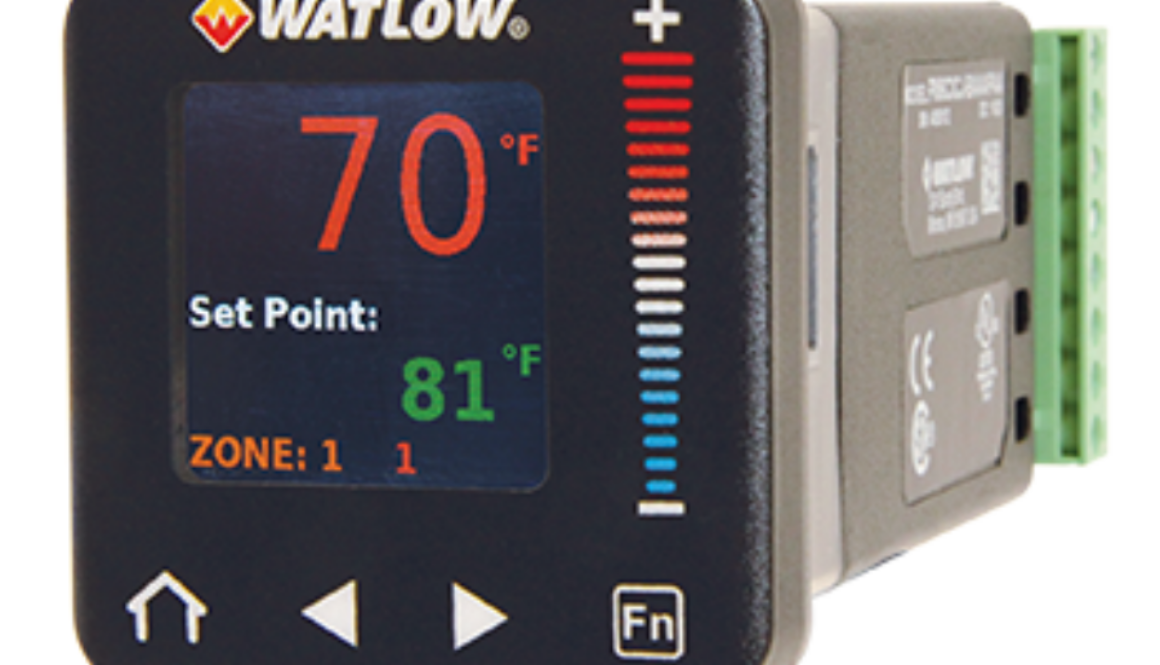
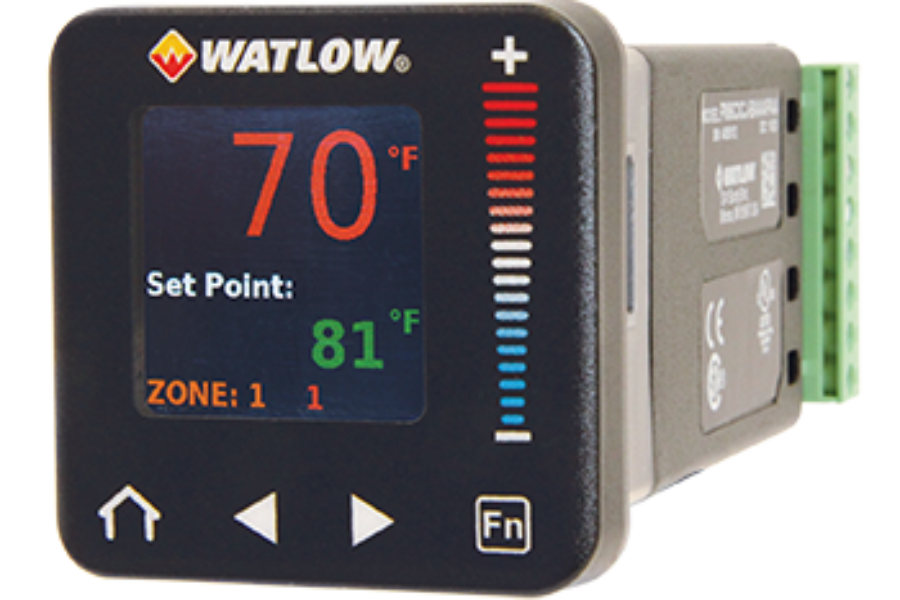
Watlow, a global supplier of industrial electric thermal solutions, successfully applied DuraTech’s IME technology to the design and production of its new industrial controller, the Watlow PM Plus.
Because of DuraTech’s In-Mold Electronics technology, Watlow’s PM Plus is now more intuitive and features an enhanced interface for easier programming and readability with a smooth touch keypad, replacing legacy rubber buttons.
The PM Plus reduces the complexity at the front of the control while eliminating the dependency of cables when configuring the product.
“DuraTech is proud to help Watlow become an early adopter of In-Mold Electronics, » said Paul Hatlem, DuraTech’s sales manager. « DuraTech is one of the first companies worldwide producing this exciting new technology that embeds the circuits between layers of plastic to protect them from the environment, reduce weight and size while improving reliability. The form, fit and function requirements of Watlow’s controller made IME a perfect solution. »
GenesInk is proud to be one of the ink manufacturers that has been qualified at DuraTech.
Pour offrir les meilleures expériences, nous utilisons des technologies telles que les cookies pour stocker et/ou accéder aux informations des appareils. Le fait de consentir à ces technologies nous permettra de traiter des données telles que le comportement de navigation ou les ID uniques sur ce site. Le fait de ne pas consentir ou de retirer son consentement peut avoir un effet négatif sur certaines caractéristiques et fonctions.
Fonctionnel
Toujours activé
L’accès ou le stockage technique est strictement nécessaire dans la finalité d’intérêt légitime de permettre l’utilisation d’un service spécifique explicitement demandé par l’abonné ou l’utilisateur, ou dans le seul but d’effectuer la transmission d’une communication sur un réseau de communications électroniques.
Préférences
L’accès ou le stockage technique est nécessaire dans la finalité d’intérêt légitime de stocker des préférences qui ne sont pas demandées par l’abonné ou l’internaute.
Statistiques
Le stockage ou l’accès technique qui est utilisé exclusivement à des fins statistiques.Le stockage ou l’accès technique qui est utilisé exclusivement dans des finalités statistiques anonymes. En l’absence d’une assignation à comparaître, d’une conformité volontaire de la part de votre fournisseur d’accès à internet ou d’enregistrements supplémentaires provenant d’une tierce partie, les informations stockées ou extraites à cette seule fin ne peuvent généralement pas être utilisées pour vous identifier.
Marketing
L’accès ou le stockage technique est nécessaire pour créer des profils d’internautes afin d’envoyer des publicités, ou pour suivre l’utilisateur sur un site web ou sur plusieurs sites web ayant des finalités marketing similaires.




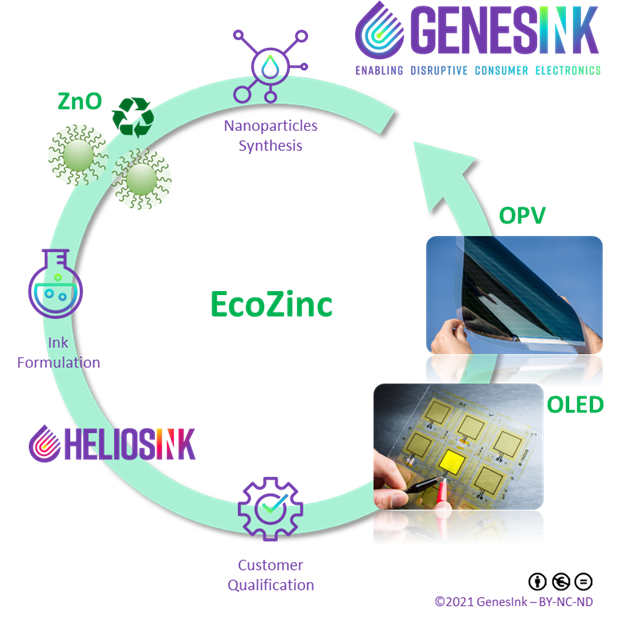 Illustration 1 – Eco-design process for synthesizing zinc oxide nanoparticles (ZnO) as part of the « EcoZinc » project
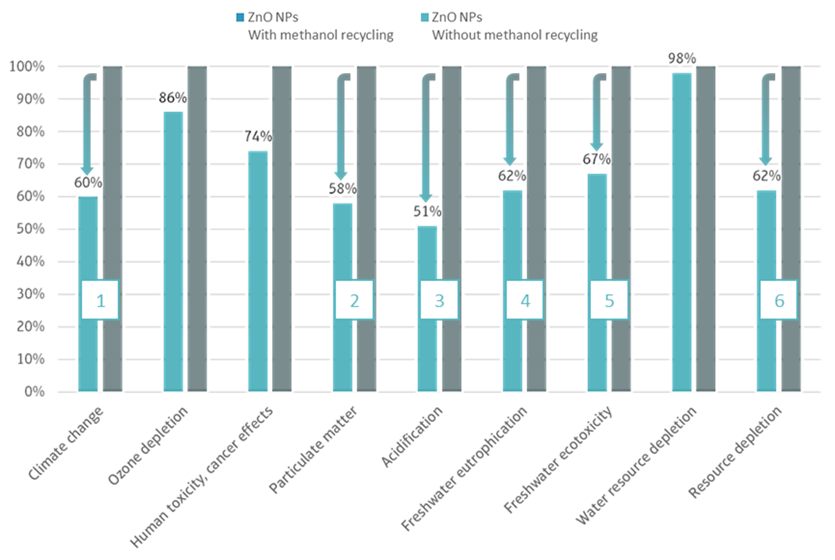 Illustration 2 – Comparative study of the environmental effects of the synthesis of nanoparticles (NPs) with and without methanol (MeOH) recycling