

Smart Bone Regeneration The SBR project brings together experts from medicine, biochemical, pharmaceutical, and material sciences, engineering and industry for solving an unmet challenge in the management of bone loss
Project GREENSENSE – Sustainable, Wireless, Autonomous Nanocellulose-based Quantitative DoA Biosensing Platform Paper-based printed electronics are new recyclable electronic devices with technical, economic and environmental advantages. Additionally, nanocellulose (NC) based printed
The ten academic and industrial partners collaborating in the new EU research project SBR (Smart Bone Regeneration) aim to improve treatment options for patients with large bone defects. The targeted
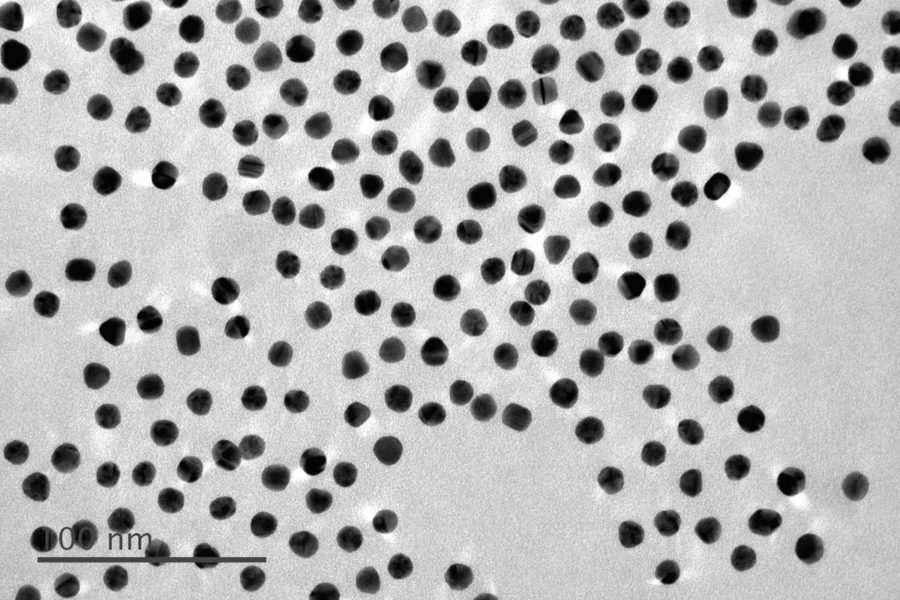
Abstract: Medicine is constantly looking for new and improved treatments for diseases, which need to have a high efficacy and be cost-effective, creating a large demand on scientific research to
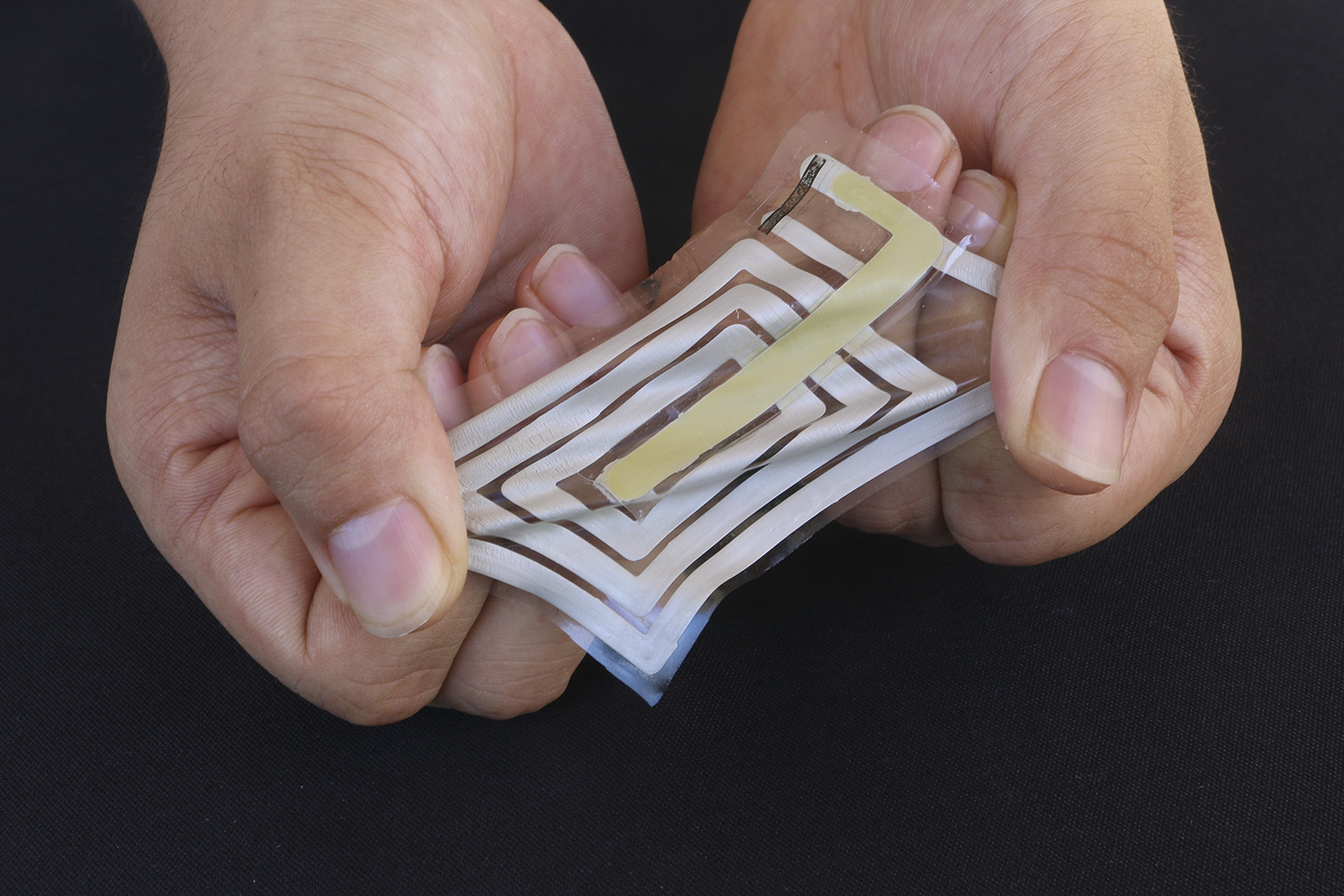
Stanford engineers have developed a way to detect physiological signals emanating from the skin with sensors that stick like band-aids and beam wireless readings to a receiver clipped onto clothing.
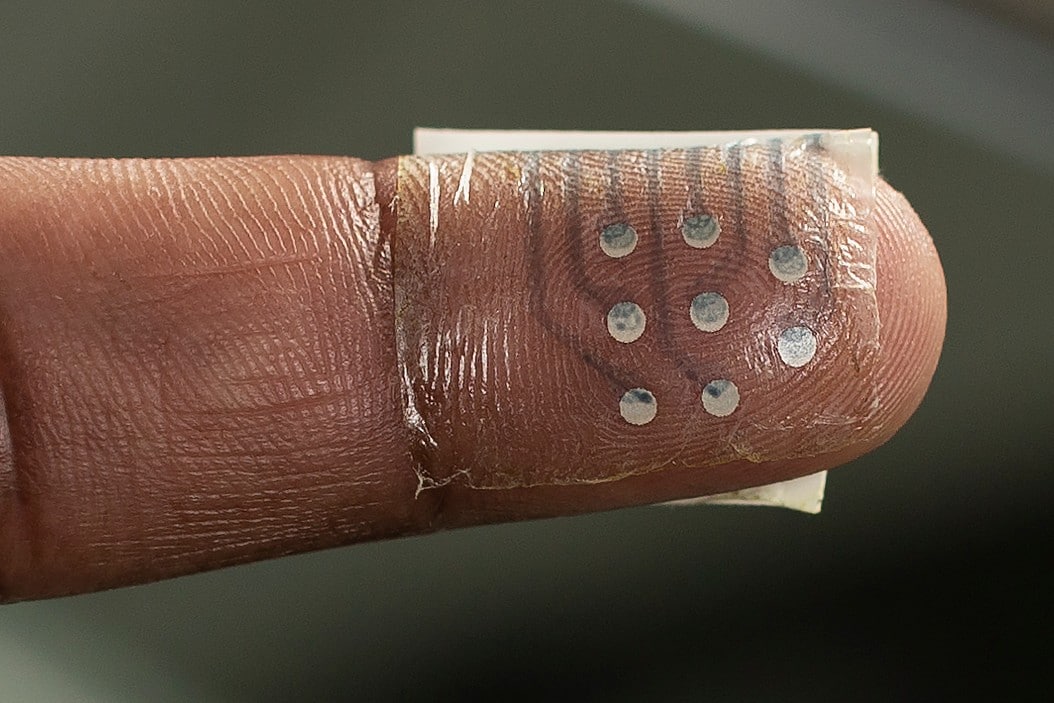
Dr Anusha Withana from Sydney University has developed an « electronic skin », meaning a super-thin, hyper-flexible sticky tape that can have electronic circuits printed onto it. Once applied, people

In a recent study on materials science and nanomedicine, Young-Geun Park and co-workers at the departments of Nanoscience, Nanomedicine and Materials Science and Engineering in the Republic of Korea developed
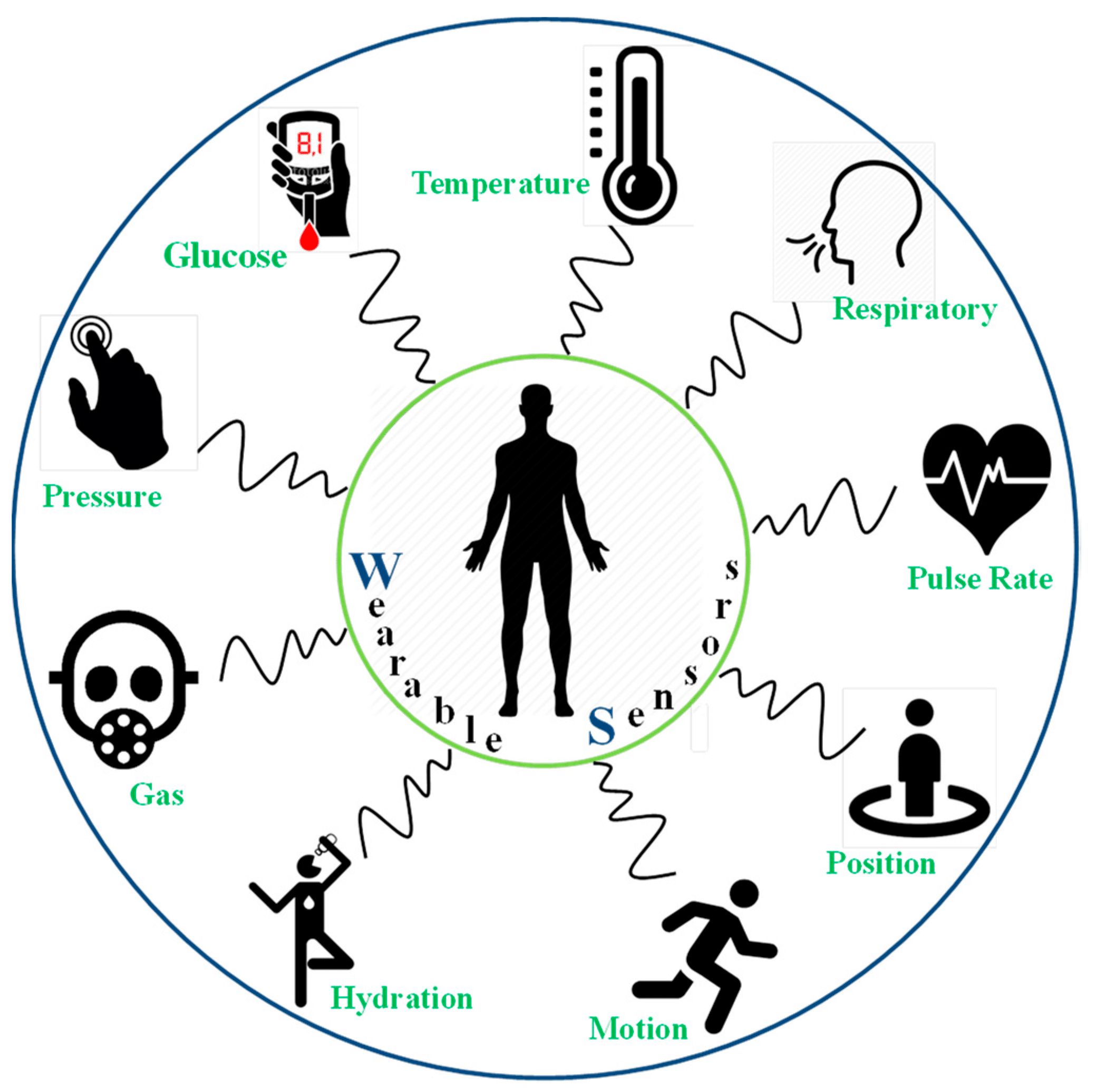
In recent years, several wearable biosensors for health monitoring have entered our daily lives and captured the attention of scientific and industry communities. Wearable biosensors are significantly attractive thanks to
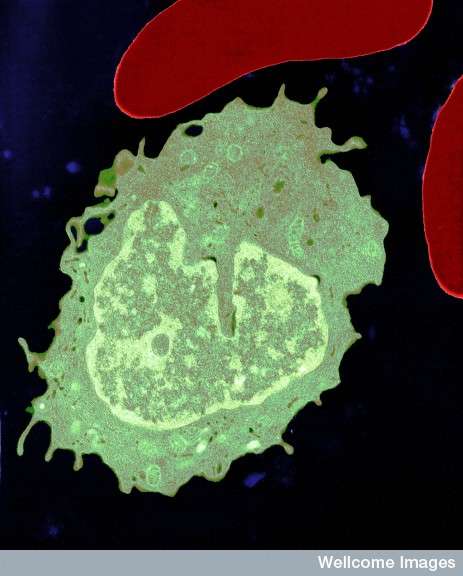
By incorporating magnetic nanoparticles into gene therapy treated cells, British researchers were able to guide them to a tumor. The effectiveness of this treatment still to be developed is significantly
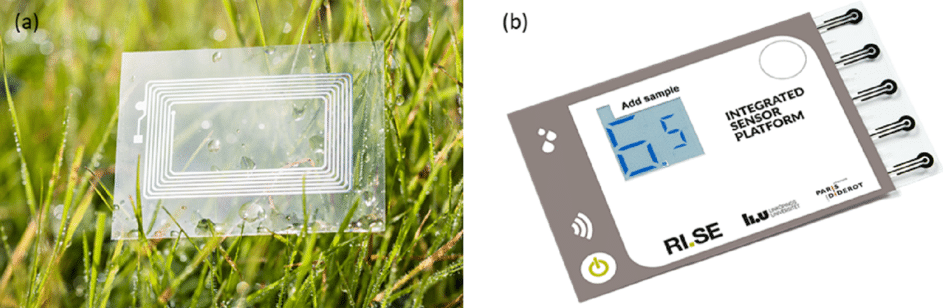
GenesInk is a part of the GREENSENSE project funded by the European Union’s Horizon 2020 research and innovation program under grant agreement N° 761000 since January 2018. The aim of