



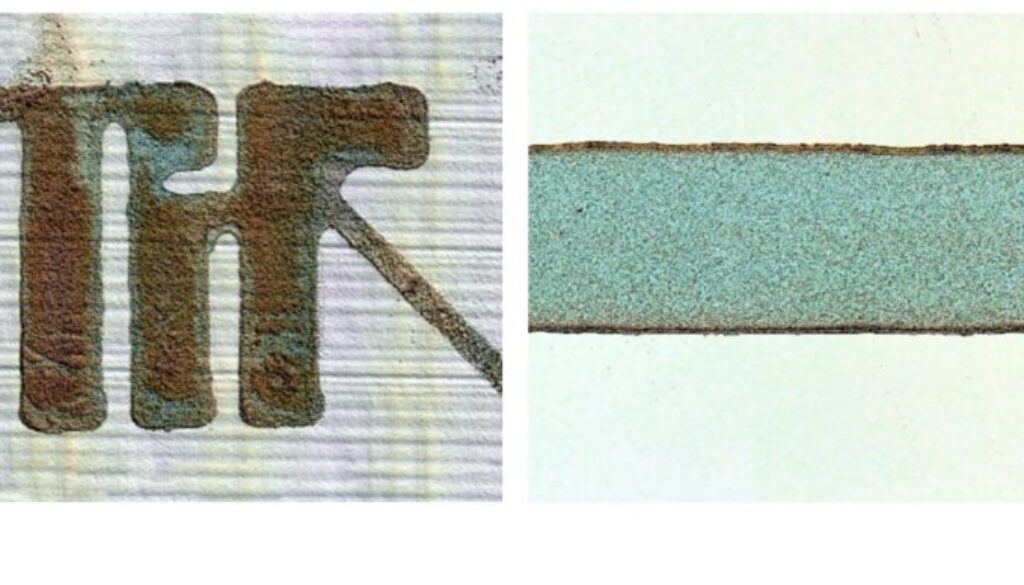
Ultrathin 3-D-printed films convert energy of one form into another

MIT researchers have developed a simple, low-cost method to 3-D print ultrathin films with high-performing “piezoelectric” properties, which could be used for components in flexible electronics or highly sensitive biosensors.
High-frequency devices are key enablers of state-of-the-art electronics used in a wide and diverse range of exciting applications such as inertial navigation, communications, power conversion, medicine, and parallel computing. However, high-frequency additively manufactured piezoelectric devices are yet to be demonstrated due to shortcomings in the properties of the printed transducing material and the attainable film thickness. In this study, we report the first room-temperature-printed, piezoelectric.
Read more at: MIT Web Page
Related Articles

New Nano-Ag Formulation: +20% Conductivity Breakthrough
Call for Projects « PERFECTO »: GenesInk winner for its « EcoZinc » project (eco-design of zinc oxide nanoparticles ZnO)